


For millions of Indian students, competitive exams are built around one core promise: If you work hard enough, the system will reward you fairly.
That belief is what keeps students studying- 10-hour days, sacrificing hobbies, missing social lives, repeating entire years for another attempt. Which is why the NEET paper leak controversy felt bigger than just another exam scandal. Because once students start doubting the fairness of the process itself, the entire emotional foundation of the system begins to crack.
And that might be the most dangerous part of all.
Recent investigations into the NEET-UG 2026 paper leak have revealed allegations of organized networks involving middlemen, coaching-linked operators, and even NTA-contracted teachers accused of leaking questions before the exam. But the real story is not just about corruption. It’s about what happens when an entire generation starts feeling like merit alone may not be enough anymore.
The Pressure Around NEET Was Already Extreme
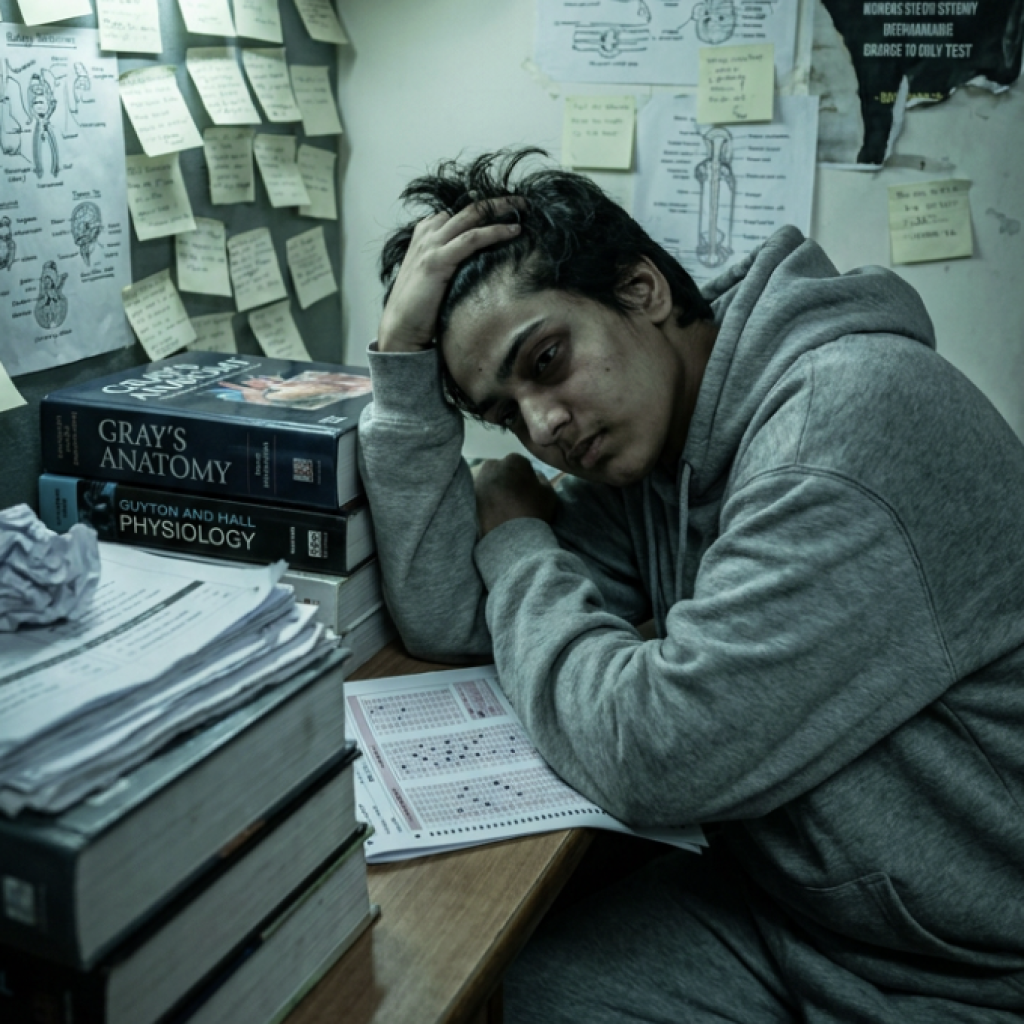
Even before the paper leak controversy, NEET was already one of the most psychologically intense exams in the country.
Every year millions of students compete for a tiny number of government medical seats in an environment where a few marks can completely change outcomes. Economically, this is scarcity at its most brutal. Too many people competing for too few opportunities. And whenever scarcity becomes extreme, pressure intensifies.
That pressure creates massive coaching industries, repeat-drop culture, unhealthy academic obsession, burnout, desperation. The paper leak did not create these problems. It exposed how fragile the system already was underneath.
The Coaching Economy Nobody Talks About
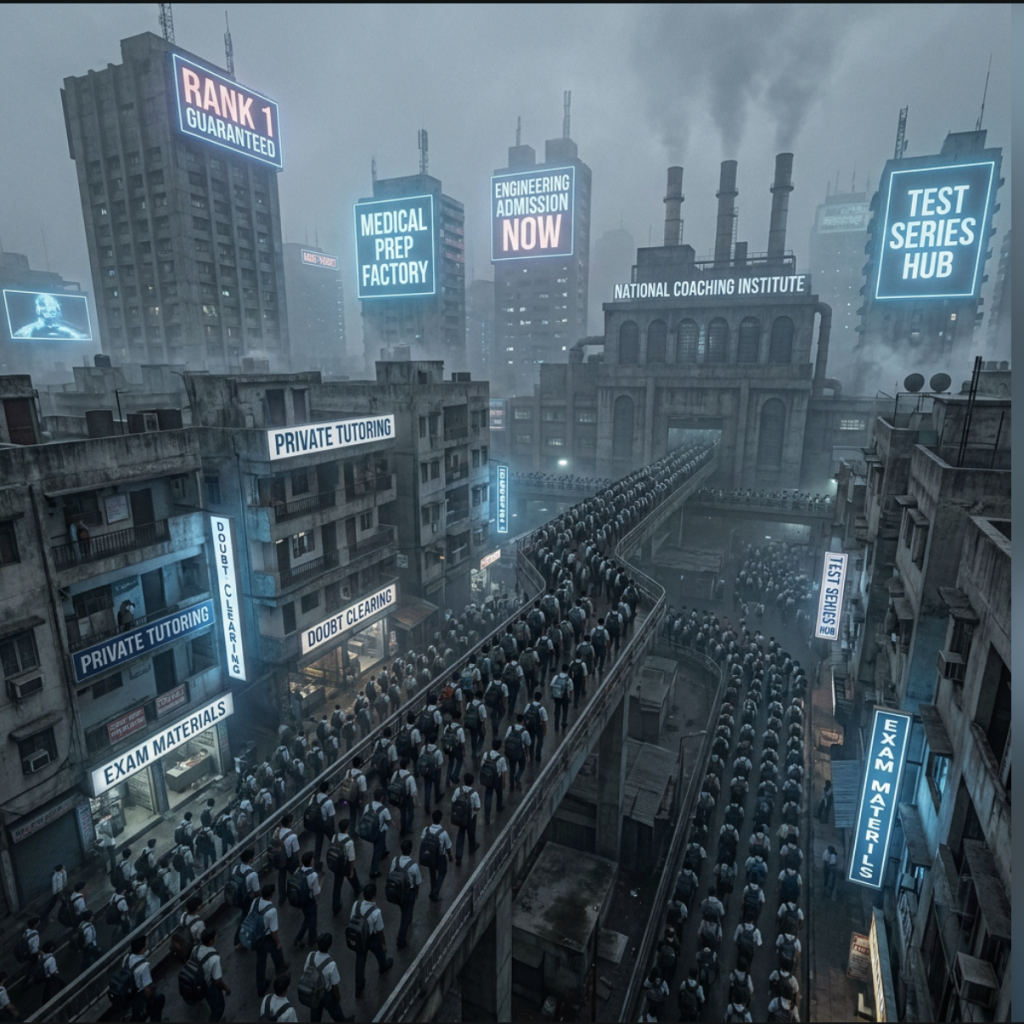
At this point, NEET is no longer just an exam. It’s an industry.
Entire cities now economically revolve around competitive exams: coaching institutes, hostels, test series, counselling services, private mentoring, online prep platforms.
For many students, school itself becomes secondary. Life starts revolving around ranks, mock scores, AIR predictions, and cutoffs.
And once an exam ecosystem becomes this large, something dangerous happens: The stakes become enormous. Not just emotionally. Financially too.
Families spend lakhs on coaching, years on preparation, and enormous emotional energy. Which means any hint of unfairness feels catastrophic. Because students are not just protecting marks anymore. They’re protecting years of sacrifice.
The Most Dangerous Thing a System Can Lose Is Trust

Competitive exams only work if students believe: “The process is fair“. That belief matters more than people realise. Because exams are psychological systems as much as academic ones. Students tolerate the pressure because they believe effort still matters.
But when paper leaks happen repeatedly, students begin asking dangerous questions — “What if hard work isn’t enough?”, “What if the system is already compromised?”, “What’s the point of sacrificing everything if someone else bought an advantage?”
Once cynicism enters the system, motivation changes. And rebuilding trust becomes extremely difficult.
The Real Problem Is Not Just Corruption

The easy response is: “Punish the people involved“.
And yes, accountability matters. But the deeper issue is structural. The current competitive exam culture in India places extraordinary pressure on single exams.
One paper.
One rank.
One score.
For many students, it feels like: “One Future”.
That level of concentration creates unhealthy incentives everywhere: extreme coaching dependence, information black markets, cheating networks, exploitative industries, and emotional breakdowns. Whenever a system becomes this high-pressure, people will inevitably try to game it.
That doesn’t justify corruption. But it explains why these scandals keep happening.
Meritocracy Starts Breaking When Students Stop Believing in Merit
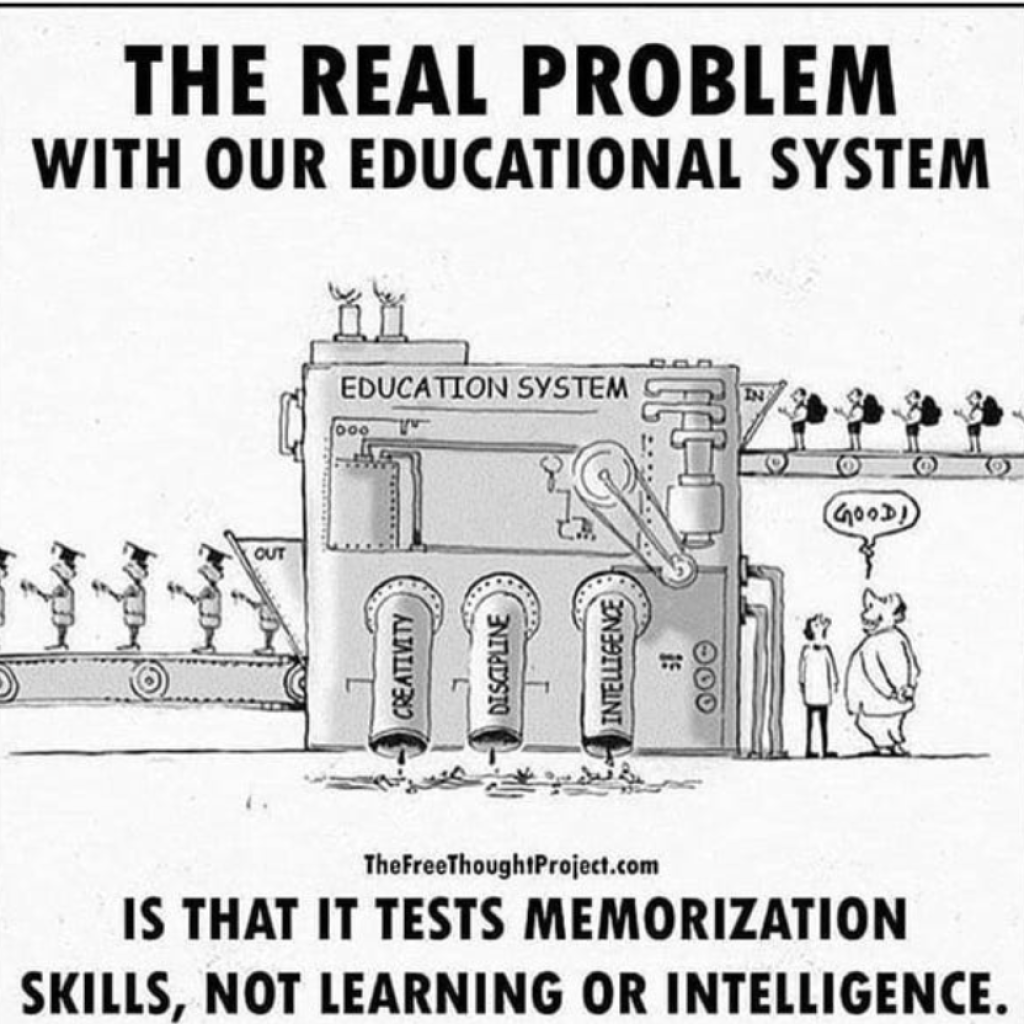
India’s education system is heavily built around the idea of meritocracy. The belief that talent, discipline and hard work will eventually produce success.
And for many students, that belief becomes deeply personal, especially in middle-class households where education is viewed as the primary path to upward mobility. Which is why paper leaks feel emotionally devastating. Because they attack something larger than an exam. They attack the idea that the process itself can still be trusted.
The Emotional Reality Students Rarely Say Out Loud
A lot of NEET aspirants already live in extremely stressful conditions.
Some students isolate themselves for years, move away from home for coaching, develop anxiety around performance, build their entire identity around exam success. And when controversies like this happen, the emotional effect is enormous. Not just anger. Exhaustion.
The feeling that students are giving everything to a system that may not always protect fairness in return. That feeling creates helplessness, and helpless students stop believing effort matters.
The Internet Made the Pressure Worse
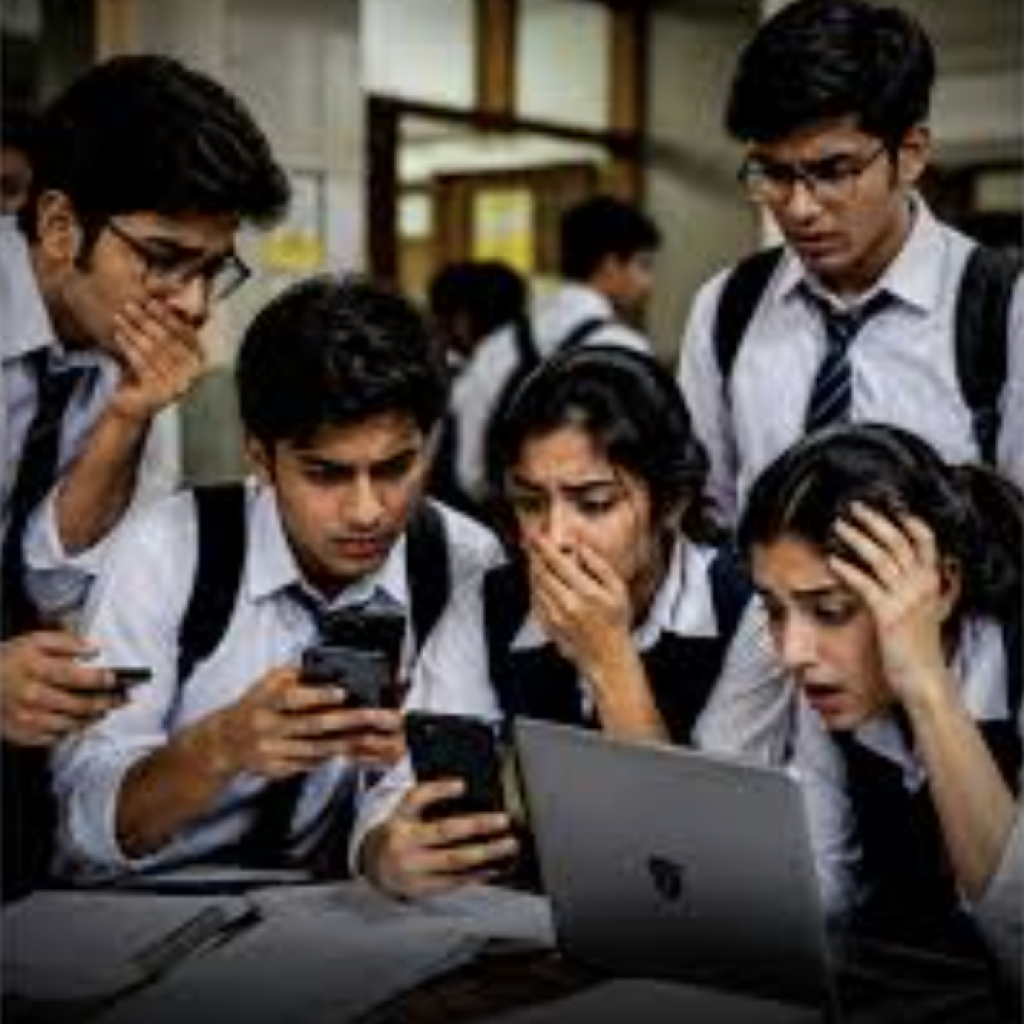
One thing that intensified modern exam culture is social media. Students now constantly see: topper routines, AIR interviews, study influencers, and “study 14 hours a day” content.
Preparation itself has become performative. And in an environment already driven by comparison, scandals like paper leaks amplify anxiety even further. Because now students are not only competing academically.They are competing psychologically too.
The Part Adults Often Miss
Most students are not asking for easy exams.. They are asking for trustworthy systems. There’s a difference.
Teenagers understand competition. They understand difficulty. Most are willing to work hard. What destroys morale is uncertainty. The fear that effort may not matter equally, systems may not be secure, and that fairness may not actually be guaranteed. And once students lose faith in fairness, education stops feeling motivating. It starts feeling transactional.
The Bigger Question India Needs to Ask
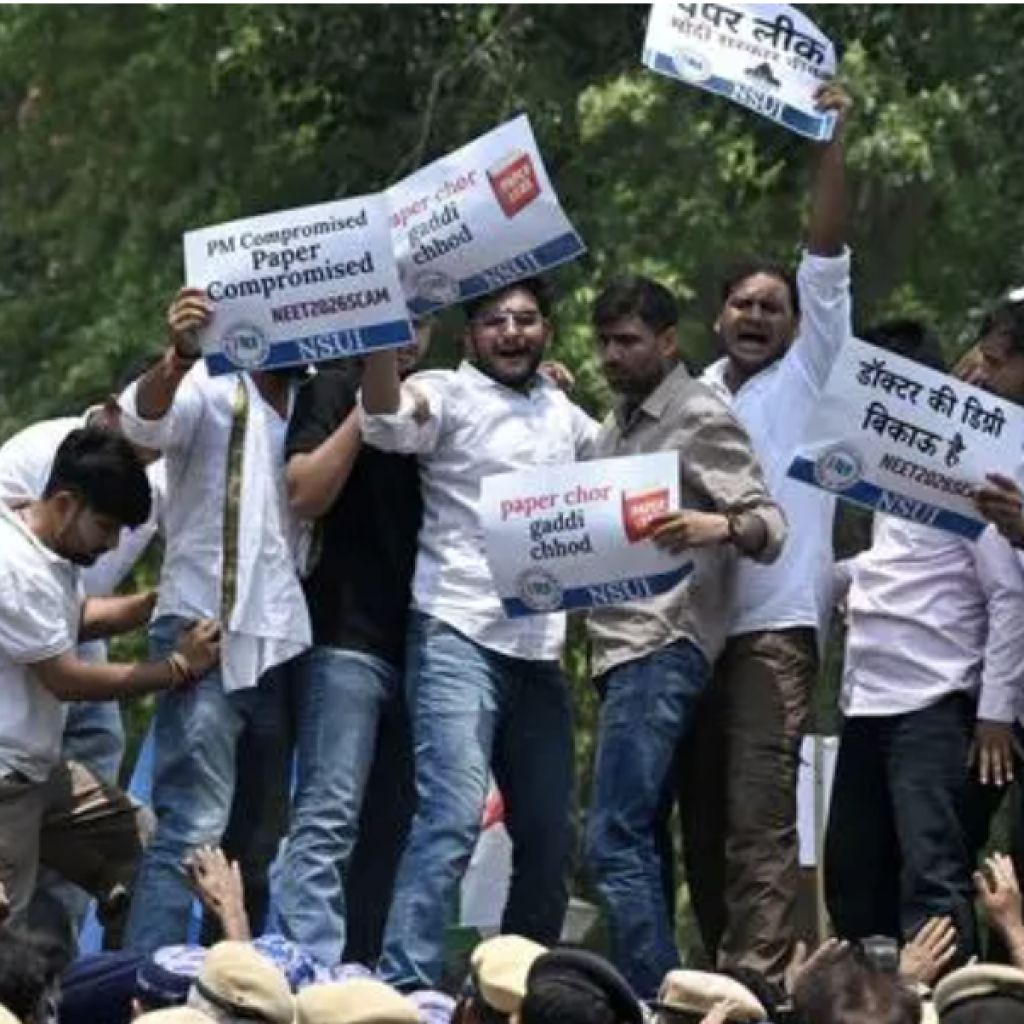
At some point, India has to confront a difficult question: Should one exam carry this much power over millions of young people’s lives? Because the problem is no longer just about one paper leak.It’s about an educational culture where pressure keeps increasing, stakes keep rising, and competition keeps intensifying each year.
The NEET controversy simply forced people to notice it.
The Bottom Line
The NEET paper leak controversy revealed something much larger than corruption. It revealed how fragile trust has become inside India’s competitive education system.
Students can survive difficulty. They can survive competition. They can even survive failure.
But the one thing they cannot survive for long is the feeling that the system itself may no longer be fair. Because once trust disappears, hard work stops feeling inspiring and starts feeling uncertain instead.


