


It’s 1:15 AM, and my laptop screen just went black. For the last four hours, I’ve been staring into a blinding void of chemistry sample papers, college admission portals, and unread Discord notifications. When the screen finally cuts to black, the sudden reflection of my own exhausted face in the dark glass catches me off guard. My phone is glowing next to my hand, buzzing with messages from three different class groups, but as I sit here in the quiet of my room, a strange, heavy realization hits me. I am completely connected to everyone, yet I have never felt more entirely alone.
Welcome to my reality, and likely yours too. In 2026, high school pressure hasn’t just increased; it has completely mutated. With digital classrooms, 24/7 academic group chats, and a non-stop algorithmic stream of “hustle tips” on our feeds, being a student doesn’t feel like a phase of youth anymore. It feels like working an endless, uncompensated shift at a corporate job.
The Illusion of Connectedness
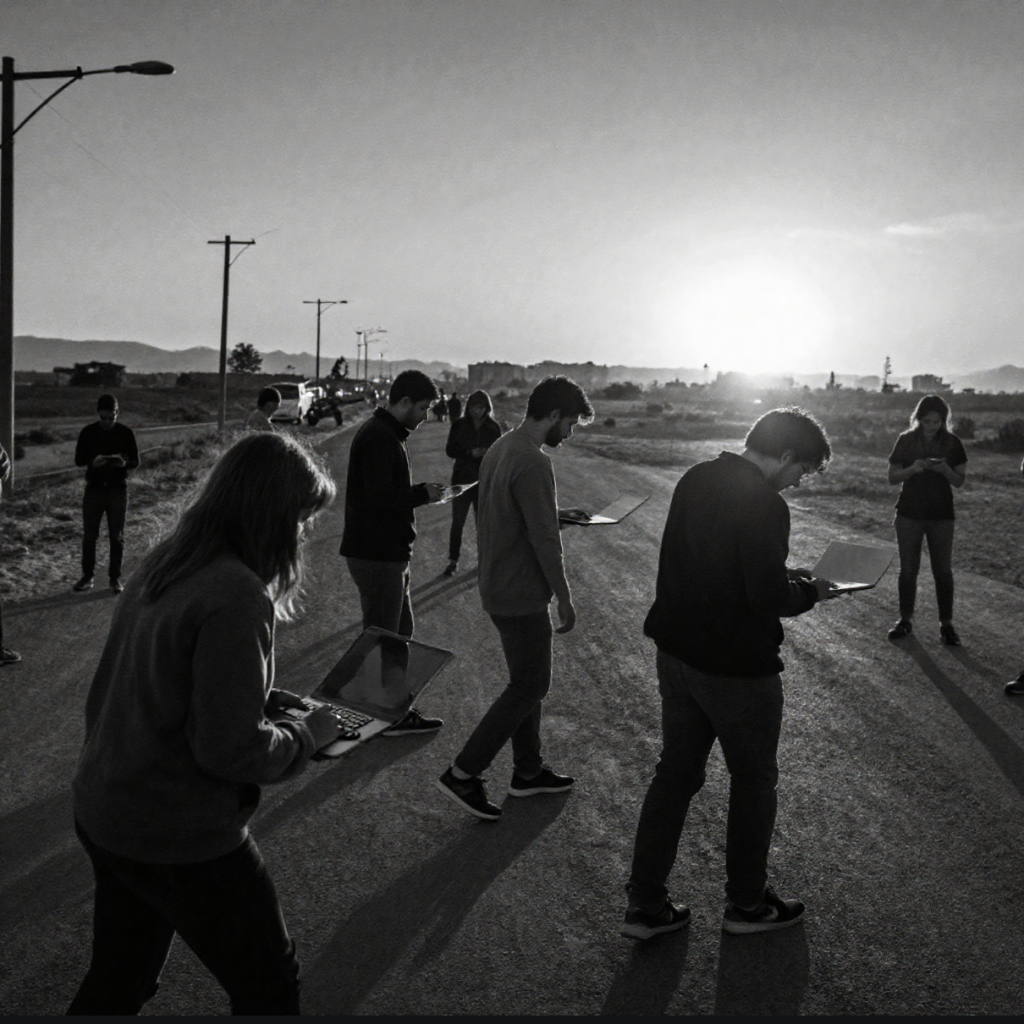
On paper, our generation is the most social in history. My phone tells me I’m constantly in touch with my peers. It buzzes every three seconds with messages in project threads, coaching center updates, and study groups.
But if I look closely at my chat history, almost every single interaction has an agenda. It’s always “Can you drop the math PDF?” or “Did anyone finish the assignment?” When every notification requires you to deliver a resource, answer a question, or perform a task, your phone stops feeling like a lifeline to friends. It feels like a manager checking in on your productivity. We aren’t building real relationships; we’re managing a network. And the second the academic goal is met, the silence returns.
The “Hustle Culture” Trap
The deepest part of this loneliness comes from the constant pressure to optimize our lives. If we aren’t studying for board exams or entrance tests, our feeds tell us we should be building a portfolio, starting a micro-NGO for our CV, or learning to code.
This creates a toxic internal voice that whispers that doing absolutely nothing—just sitting with our thoughts, listening to music, or hanging out without a plan—is a waste of precious time.
When we treat our lives like a startup, we start treating our friends like business partners. We desperately crave “Zero-Agenda” spaces—moments where we don’t have to perform or update our status. But finding someone else who isn’t caught up in the exact same frantic race feels almost impossible.
Unplugging the Pressure
Breaking out of the “Always-On” cycle doesn’t mean deleting our apps or tanking our grades. It means intentionally protecting our right to just be human.
We have to start introducing “unoptimized spaces” into our week. Find that one friend with whom you can have a completely unproductive conversation—one filled with broken inside jokes, terrible music, and zero mentions of future plans or college essays.
Years from now, we won’t remember the midnight PDF exchanges or the digital certificates we stayed up to claim. We’ll remember the spontaneous laughs that made no logical sense. Our worth isn’t tied to our productivity, and it’s completely okay to switch off the screen, close the tabs, and just exist.


