


Last Tuesday, you were sitting at a cafe, trying to enjoy a cold brew, when your wrist buzzed. It was a haptic nudge telling you your heart rate had spiked because you’d been sitting for too long, immediately followed by a notification that someone you haven’t spoken to since school liked your Instagram story. You looked down at that sleek, expensive piece of glass strapped to your arm and realized something deeply irritating: your watch wasn’t serving you anymore. You were serving it.
If you walk through any college campus or workplace right now, you’ll notice a quiet rebellion taking place. The glowing, aggressive screens of Apple and Galaxy watches are starting to vanish from wrists. You aren’t going back to analog retro watches just for the vintage aesthetic; you are actively ghosting your screens.
The “Anxiety Machine” on Your Wrist
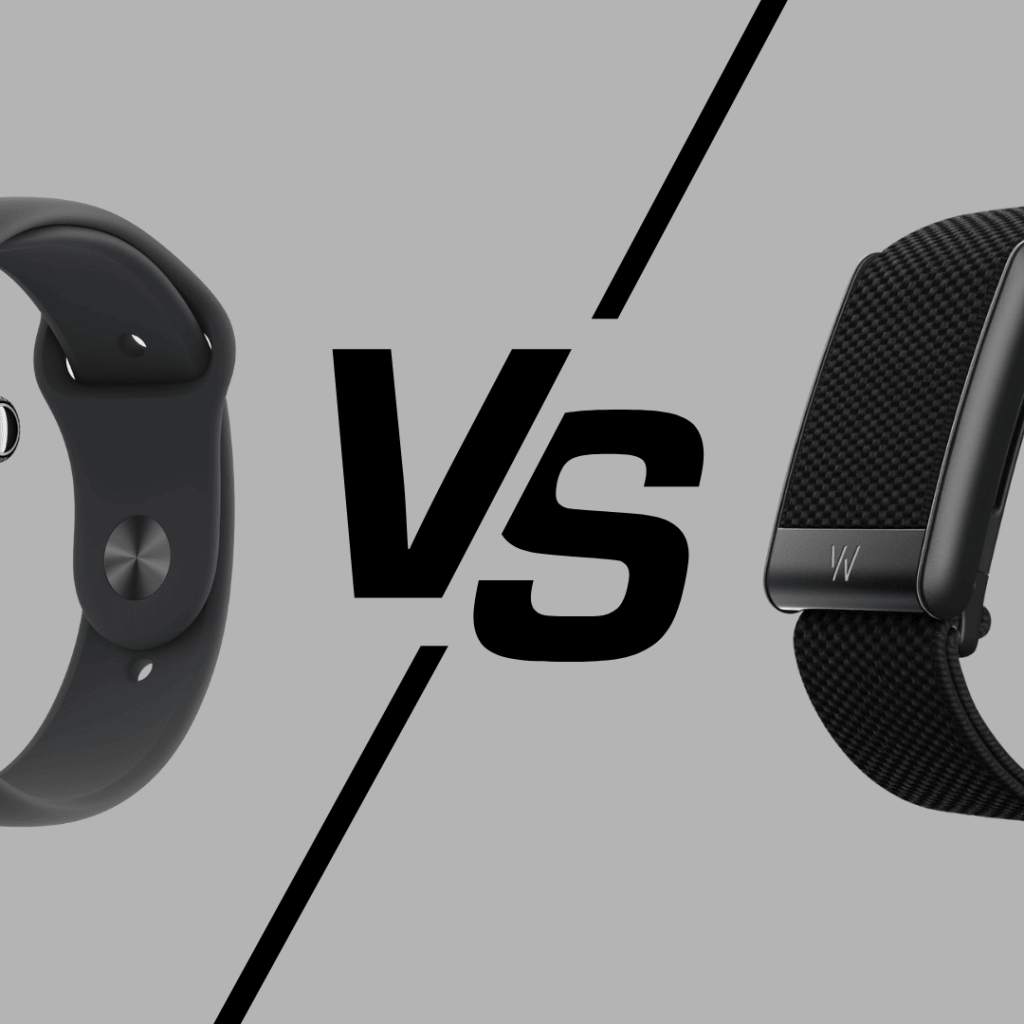
When smartwatches first blew up, they promised freedom. The pitch was simple: leave your phone in your bag and stay connected through your wrist. But the reality of that connection has turned toxic. Instead of freeing you from your phone, the smartwatch simply strapped the digital noise directly onto your skin.
It transformed from a fitness tracker into an anxiety engine. Your wrist became a canvas for constant micro-interruptions. Your screen lights up during a real-world conversation because an Amazon package was shipped, or an aggressive red ring shames you for not hitting an arbitrary step goal while you’re pulling an all-nighter for an exam.
Data shows this isn’t just a subjective feeling. According to a global consumer tech tracking report, smartwatch shipment growth slowed down globally, while the market for screenless wearables—like smart rings—exploded by over 30% year-on-year. Audiences are shifting away from active screens toward passive biometric tracking.
What the Professionals Say
Medical and mental health professionals are increasingly backing this cultural shift. The constant haptic feedback against your radial artery isn’t just annoying; it keeps your nervous system in a state of low-grade, perpetual alert.
“When your wrist vibrates fifty times a day with mixed stimuli—a work email, a social media like, a high heart rate alert—your brain struggles to categorize the threat,” explains Dr. Ananya Iyer, a behavioral psychologist specializing in digital fatigue. “It creates a state of continuous partial attention. You are never fully present anywhere, which drastically spikes cortisol levels.”
Furthermore, cardiologists note that the data provided by these watches can sometimes cause more harm than good.
“We are seeing a massive influx of young patients suffering from what we call ‘cardiophobia’—anxiety induced by reading too much into their wearable data,” says Dr. Saurabh Mitra, a consultant cardiologist. “They see a minor, completely normal fluctuation in their resting heart rate or a generic ‘stress alert’ on their watch and panic. For a vast majority of healthy individuals, these constant real-time metrics do not improve health; they just fuel health anxiety.”
Gen Z vs. Millennials: A New Boundary with Tech
This is where the generational divide becomes fascinating. Millennials were the pioneers of the “Always-On” lifestyle. They grew up during the smartphone boom and embraced the idea of ultimate optimization. For a millennial, closing their activity rings and tracking every calorie on their wrist became a badge of honor and a symbol of a disciplined life. They integrated the screen into their identity.
You, on the other hand, are part of a generation that is much more cynical about big tech’s grip on your attention span. Gen Z is leading the screenless wearable revolution because you understand something millennials learned the hard way: being reachable 24/7 is not a flex; it’s a trap.


