Home Blog

The Indian Teen’s Guide to Western Classical Music (Without Feeling Lost)

0

Western classical music has a reputation problem.
It sounds complicated.
It looks formal.
And it often feels like something you’re “supposed” to understand before you even start.

So most people don’t.
But the truth is, you don’t need to know anything to begin.
You don’t need to read sheet music.
You don’t need to recognize composers.

You just need to know where to start, and how to listen.

First: What Even Is Western Classical Music?

At its simplest, it’s just instrumental music written hundreds of years ago, mostly in Europe.
No lyrics.
Longer pieces.
More focus on emotion through sound.

Think of it less like “songs”
and more like soundtracks without movies.

Why It Feels So Intimidating

Most people’s first exposure is wrong.
They start with:

  • very long symphonies
  • slow, heavy pieces
  • names they can’t pronounce

And then conclude:
“This isn’t for me.”
That’s like watching a 3-hour art film as your first movie ever and deciding you don’t like cinema.

How to Start (Without Getting Bored)

Don’t start with long, slow, overplayed pieces. If your first experience feels boring, you’ll assume the entire genre is.
Instead, start with music that’s immediately engaging—something you can feel without trying to understand.

A few good entry points:

  • Vivaldi — Winter (from The Four Seasons)
    Fast, sharp, and intense. It almost feels like a storm.
  • Mozart — Symphony No. 25 (1st movement)
    Energetic, slightly chaotic, and surprisingly modern.
  • Beethoven — Moonlight Sonata (1st movement)
    Slower, but emotional in a way that’s easy to connect with.

If you’re curious about vocal classical music (not just instruments), try:

  • Samuel Barber — Agnus Dei
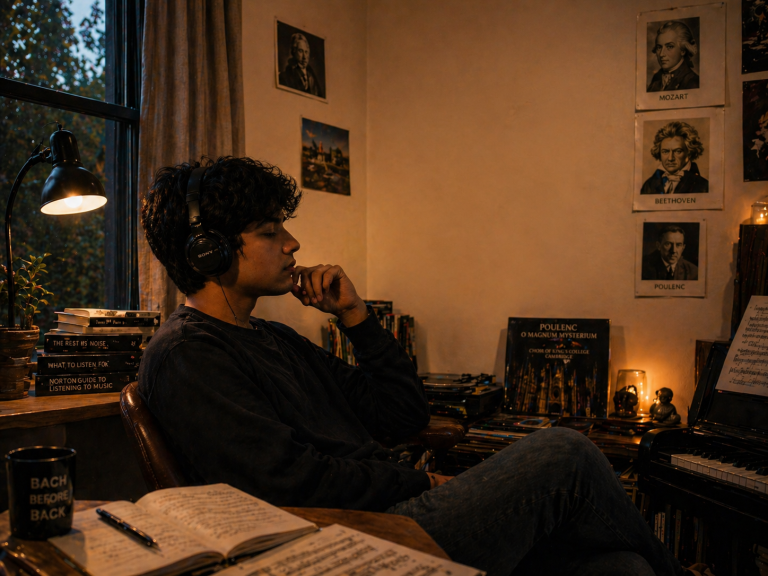
  • Francis Poulenc — O Magnum Mysterium

These give you a sense of how voices layer together (soprano, alto, tenor, bass) without needing any technical knowledge.
And if you just want something calm in the background:

  • Debussy — Clair de Lune
  • Satie — Gymnopédie No. 1


One Small Rule

Don’t try to “understand” everything.
Just:

  • listen to one piece
  • notice how it makes you feel
  • move on if it doesn’t click

The goal isn’t to like everything.
It’s to find one piece that stays with you.
That’s where it starts.

How to Listen (This Changes Everything)

Don’t treat it like background noise immediately. Try this once:

  • sit somewhere quiet
  • play one piece
  • don’t multitask

Just notice:

  • how the music builds
  • when instruments enter or leave
  • how the mood changes

You don’t need to “analyze” it.
Just pay attention.

The Indian Connection (That Makes It Easier)

If you’re familiar with Indian classical music, this gets easier. Both systems:

  • build emotion gradually
  • rely on patterns and repetition
  • don’t need lyrics to tell a story

The difference is just structure, not depth.

Where to Listen

You don’t need anything fancy. Start with:

  • Spotify
  • YouTube
  • “Classical Essentials” playlists

Avoid overthinking. Just explore.

The Biggest Mistake to Avoid

Don’t force yourself to like everything.
Some pieces will feel boring.
Some will click instantly.
That’s normal.

Classical music isn’t one genre, it’s a huge range of styles.

The Bottom Line

Western classical music isn’t something you “study” first and enjoy later.
You enjoy it first.
Understanding comes later.

Start small.
Pick the right pieces.
Give it your attention.
And slowly, something that once felt distant
starts to feel… surprisingly familiar.


The Gym Phase: Why So Many Teens Suddenly Start Working Out

0

At some point in high school, it starts happening.

One person joins the gym.
Then another.
Then suddenly, half your friend group is talking about protein, push days, and “consistency.”

It’s not coordinated.
No one announces it.
But within a few months, working out goes from something a few people do to something that feels almost expected.

The “gym phase” has quietly become a part of teenage culture.

How It Usually Starts

It rarely begins with a long-term plan.
More often, it’s something small:

  • a friend invites you
  • you see someone’s transformation
  • you decide to “just try it for a week”

At first, it feels casual. Then it becomes routine.
And before you realize it, it’s part of your identity.

The Influence Nobody Admits

A big part of this shift comes from what teenagers are constantly exposed to.
Fitness content is everywhere.

Not just athletes or professionals—
people your age:

  • posting progress pictures
  • sharing routines
  • talking about discipline

The message is subtle but clear:
This is what improvement looks like.
Even if no one says it directly, it creates a quiet pressure to start.

It’s Not Just About Fitness

Very few people join the gym only to become stronger.
There are usually other reasons, even if they’re not openly discussed:

  • wanting to look better
  • wanting more confidence
  • wanting to feel in control of something

Sometimes it’s about insecurity.
Sometimes it’s about curiosity.
Sometimes it’s just about not wanting to be the only one not doing it.

And all of those reasons are more common than people admit.

The First Few Weeks

The beginning is always the same.
Everything feels new:

  • the machines
  • the routines
  • the soreness

You don’t really know what you’re doing. You look around more than you focus. And you’re constantly aware of other people.

But slowly, that changes.
You start understanding movements.
You stop feeling out of place.

The gym becomes less intimidating, and more familiar.

The Phase Where It Becomes Serious

After a few weeks, something shifts.
You start:

  • tracking workouts
  • thinking about food
  • noticing small changes

And that’s when it stops being a “phase”
and starts feeling like something you want to stick to.
For some people, this is where consistency begins.
For others, this is where it fades.

Why Some People Quit

Not everyone stays.
The same way the gym phase starts quietly, it often ends quietly too.
The most common reasons:

  • no visible results yet
  • loss of initial motivation
  • other priorities taking over

Because the truth is:
The gym only works if you stay long enough to see change.

And that requires patience most people underestimate.

The Part People Don’t Talk About

For the people who do continue, the benefits go beyond fitness.
The gym creates structure.
It gives you:

  • a routine
  • a sense of progress
  • a place where effort directly leads to results

And in a life that often feels unpredictable,
that sense of control matters more than people realize.

The Subtle Social Shift

Once enough people start going, the gym becomes part of social culture.

Conversations change:

  • “Did you go today?”
  • “What are you training?”
  • “How long have you been going?”

It becomes something people bond over.
Not in an obvious way, but in a way that slowly integrates into daily life.

What To Do If You’re In Your “Gym Phase”

Starting is easy.
Sticking with it is the real part.

Here’s what actually helps:

1. Keep it simple
3–4 days a week. Basic exercises.
Don’t overplan your first month.

2. Stop comparing
Everyone looks confident. Most aren’t.
Focus on learning, not impressing.

3. Follow the 4-week rule
Don’t quit in the first 2 weeks.
That’s when most people give up—right before it gets easier.

4. Don’t rely on motivation
You won’t always feel like going.
Go anyway. That’s the habit.

5. Know your reason
Whether it’s confidence, strength, or appearance—
be honest about it. That’s what keeps you consistent.

That’s it.

If you keep it simple and show up,
this stops being a phase…
and starts becoming part of your life.

The Best “First Trip Without Parents” Destinations in India

There’s a very specific kind of trip most people remember forever. Not the first family vacation. Not the big, perfectly planned holiday. The first trip without parents.

The first time:

  • you make your own plans
  • manage your own time
  • figure things out as you go

It’s exciting. A little chaotic. Slightly stressful. And exactly the kind of experience that teaches you more than you expect.

But the first trip matters. Pick the wrong place, and it becomes overwhelming.
Pick the right one, and it becomes something you’ll always remember.

Here are places that are safe, manageable, and actually fun for a first independent trip.

1. Pondicherry — The Easy Start

https://images.openai.com/static-rsc-4/48ZBWi69bmPJfD9vxDJCck6VqKId2UEPPb1FexB2OwSzSFOqle4g6HFGtXEiNXZCm-CRdrExi5ReBi-UtKVbAMRGUiJHdsRjTEqST2uNn80aJ4TxE0r7zFnjcN4ab9otvqusadJzGEzVq3BV2Htqnoaz2F0c59E33AVHCPnJuSrN68kdHVYO8aJoPAkynO2j?purpose=fullsize

If you’re nervous about your first trip, start here. Pondicherry is:

  • small
  • walkable
  • calm

You don’t need a complicated plan. You can:

  • rent a cycle
  • explore cafés
  • walk along the beach

Nothing feels overwhelming. Why it works:
It gives you independence without chaos.

2. Manali — The Classic (For a Reason)

https://images.openai.com/static-rsc-4/varAcCq3G3M2DRuM49YNk0WxgakgQNWfN3-WsDwpzyIf8sU2OMQ2XnxQixR7TyZJriLTqsIyWify_vJLz3qjFD5y4xVnkzPEwbYZtfTJg3ga5oPS_oOHM_JEgLMPjiVdZ9NcXhksrqzpugd8gbJsqlXTbFZcCbHqREnGzbSTmILmARycxmZPM_N3q9CnHVMf?purpose=fullsize

Yes, it’s popular. But for a first trip, that’s actually a good thing. Manali has:

  • easy transport
  • lots of stays
  • other young travelers

You’re never completely lost. Why it works:
It feels adventurous, but still structured enough to handle.

3. Jaipur — The “We Have a Plan (Kind Of)” Trip

https://images.openai.com/static-rsc-4/zyc93Us0O5ZQ5a-LGgeXXdap-DZD1aIZc8UeQGyh5k3iL0ABWMrGXyeFwjIyrSqNyJD3IKoGMK-S4koIXpIhVpJKI9_pci44tUBXGM4tFQITXUQzR_UcMBnUiXOIK_R2p5A8iciJlSMLrz_pGzqV-fsc7xBblLo2QZGEN09Grr3z8e0zyqmTS26GuaGGpAOI?purpose=fullsize

Jaipur is perfect if your group wants a mix of:

  • exploring
  • shopping
  • good food

There’s enough to do, but it’s not chaotic like bigger cities. Why it works:
It feels like a “real trip” without being too intense.

4. Goa — If You Want Energy

https://images.openai.com/static-rsc-4/FuSakpD9yO0RHyM1D-wnYjt5iOPFhj2QMn1KiFBXawTpLbky3e8s8GBhjgyoJUYNt3EgG5YqpqylVYZ4Pvkg9Jf56eunH9VrVCxJtikB-aiV-lf4CA9o5ByOv_z8BaNm4uYX7fTES9inw9GbN-qCjeS0_0JKu0dIpj1B6PTb1wk_jHXdmVQXHXQLK02VYVNa?purpose=fullsize

Goa works if you plan it right.
North Goa = more social, more movement
South Goa = quieter, more relaxed

Choose based on your group. Why it works:
It gives you freedom — but you need basic planning.

5. Rishikesh — The Balanced Trip

https://images.openai.com/static-rsc-4/jUEb_TC5Fvh0mqsRCcQ4CaayqBTMHufodk3iatvR6jP2tz6l6xF7AQitLPWySjl2Ox4FEPIpgrr3Cp3SLM5ob69GsasWYXBOGkp0NphFkr6ketD_tLIcypLkNnbhK48nl-eM8LIR_lvKc4Ps8Rmtg-PTmpu4CaCSnaOoSMQnovNBbJetRasfUh8fP9gayrb8?purpose=fullsize

Rishikesh sits right in the middle. You can:

  • relax by the river
  • try rafting
  • explore cafés

It’s calm, but not boring. Why it works:
It gives you both peace and activity.

What Actually Makes a First Trip Work

It’s not just the destination. It’s how you handle it.

A few things that matter more than people think:

  • Don’t overpack your schedule
  • Stay somewhere central
  • Always have a basic plan for transport
  • Keep some extra budget for mistakes

Because there will be mistakes. That’s part of the trip.

The Real Reason This Trip Matters

Your first trip without parents isn’t about the place. It’s about realising: You can figure things out.

Even if:

  • plans change
  • things go wrong
  • nothing goes exactly how you expected

And that confidence stays with you long after the trip ends.

The e₹ Evolution: Why Your Next Allowance Might Come With ‘Strings Attached

0

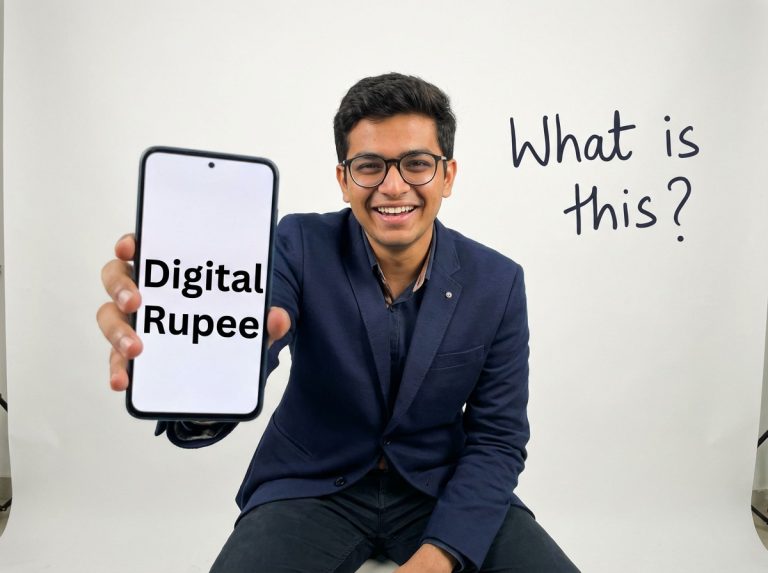
Is the Digital Rupee Your Parent’s New Superpower?

Most of us spent the last few years thinking UPI was the peak of fintech. It was fast, free, and meant we could finally leave our physical wallets at home. But in 2026, the Digital Rupee (e₹) has officially entered the chat, and it’s doing something UPI never could: it’s making money “smart.”

While UPI is just a digital bridge between bank accounts, the e₹ is actual legal tender that lives on your phone—like a ₹500 note made of code. For a student, the biggest shift isn’t just how you pay, but how you receive money.

The Rise of “Smart” Allowance

Because the Digital Rupee is programmable, it introduces a concept that will either be your best friend or your biggest annoyance: Tagged Tokens. This means the ₹2,000 your parents send for “Monthly Essentials” can now be technically restricted. If they “tag” a portion of your allowance for a specific category, the money itself knows where it’s allowed to go.


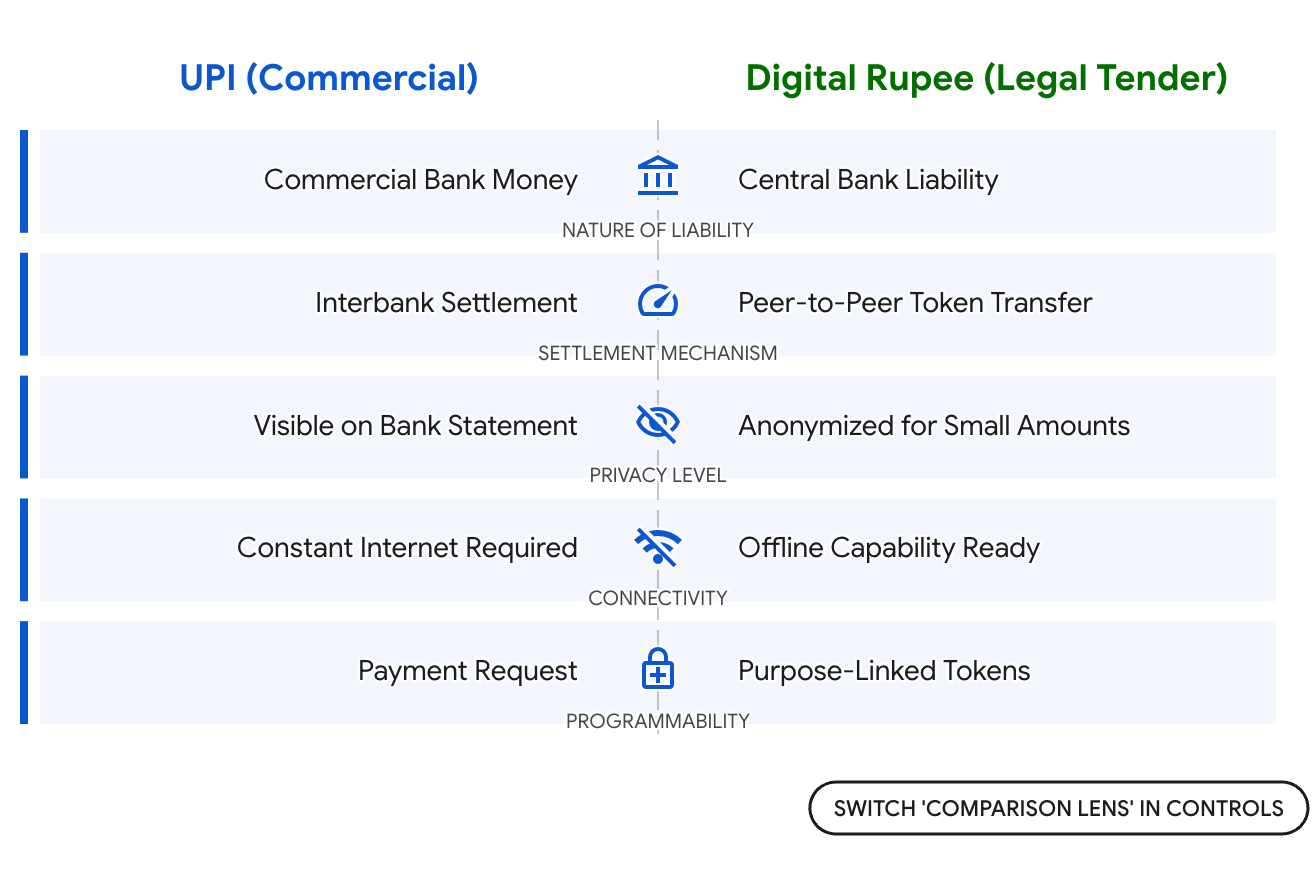
e₹ vs. UPI: The 2026 Power Shift

While both live on your phone, they are fundamentally different animals. This comparison shows how each system handles your privacy and your spending rules.

Why the “Programmable” Tag Changes Everything

The most controversial (and cool) part of the Digital Rupee is that it’s Smart Money. Because it’s a token, it can have “rules” written into it. For a teenager in 2026, this is where the “Allowance Game” gets interesting.

Parental Logic: Instead of just sending you ₹2,000 and hoping you buy that physics textbook, they can send you ₹2,000 in “Tagged Tokens.”

  • The Guardrail: If ₹1,000 is tagged for Education, the transaction will only succeed at bookstores or ed-tech platforms.
  • The Freedom: You get your money instantly without having to “ask” or show receipts later—the money itself is the receipt.

Check the video below to understand how this happens

This “Programmability” is why the Digital Rupee is the winner for 2026. It’s more than just a payment; it’s a tool for financial independence with built-in accountability.

Three Reasons to Switch

1. No “Server Down” Drama UPI relies on your bank’s servers being “up” at that exact second. e₹ is a peer-to-peer token transfer. It’s faster and more reliable during high-traffic lunch hours because it skips the bank-clearing middleman.

2. The Privacy Buffer Tired of your bank statement showing every ₹10 chai purchase? Small e₹ transactions are designed to be as private as cash. They don’t clutter your official bank records, keeping your daily spending habits between you and your phone.

3. Direct Perks In 2026, student scholarships and travel subsidies are being paid directly in e₹. Having your wallet ready means you get instant access to government perks without waiting days for bank processing.

Our Take : Use UPI for big, un-tagged transfers (like splitting a high-end dinner bill), but keep your “Essentials” budget in e₹. It ensures that even if you overspend your “fun money,” your bus fare and textbook funds are digitally locked and safe.

₹2,000 & 2 Hours: The Ultimate Main Character Wardrobe Hack

0

How much fashion can you actually score with a ₹2,000 budget in 2026? It’s the ultimate “main character” challenge. Whether you’re prepping for a Friday night plan or just need a mid-semester wardrobe refresh, that single pink note (or your UPI balance) is your ticket to a total transformation—if you know where to look. In a landscape where inflation has made “cheap” a relative term, India’s budget retail giants are fighting a high-stakes war for your attention, offering everything from viral TikTok aesthetics to durable basics that won’t fall apart after a single wash.

To win this challenge, you have to move past the brand names and look at the “Girl Math” behind each store. Every chain has a specific DNA: some are built for a one-night-only trend flex, while others are the workhorses of a student closet. Before we dive into the deep end of each brand, we’ve built a quick-access cheat sheet. This table breaks down the “Fit Check” strategy for each major player, showing you exactly how your ₹2,000 gets split across different items and what kind of final “vibe” you can expect to walk away with.

The GoalThe StoreThe Girl MathThe Final Look
Quantity QueenZudio₹499 Top + ₹799 Cargo + ₹699 SneakerA 10/10 full fit and change for a Cold Coffee.
Pinterest AestheticWestside₹899 Corset Top + ₹1,099 TrousersLook like a rich architect, but wearing old shoes.
The “Street” FlexH&M₹1,299 Graphic Hoodie + ₹699 ShortsHigh-end streetwear vibe, but eating at home tonight.
The “Long Game”Max₹599 Basic Tee + ₹1,399 Quality DenimA fit that actually survives the washing machine.

How much fashion can you actually score with a ₹2,000 budget in 2026? It’s the ultimate “main character” challenge. Whether you’re prepping for a Friday night plan or just need a mid-semester wardrobe refresh, that single pink note (or your UPI balance) is your ticket to a total transformation—if you know where to look. In a landscape where inflation has made “cheap” a relative term, India’s budget retail giants are fighting a high-stakes war for your attention, offering everything from viral TikTok aesthetics to durable basics that won’t fall apart after a single wash.

To win this challenge, you have to move past the brand names and look at the “Girl Math” behind each store. Every chain has a specific DNA: some are built for a one-night-only trend flex, while others are the workhorses of a student closet. Before we dive into the deep end of each brand, we’ve built a quick-access cheat sheet. This table breaks down the “Fit Check” strategy for each major player, showing you exactly how your ₹2,000 gets split across different items and what kind of final “vibe” you can expect to walk away with.


The Teenager’s Breakdown: Who Gets Your ₹2,000?

The GoalThe StoreThe Girl MathThe Final Look
Quantity QueenZudio₹499 Top + ₹799 Cargo + ₹699 SneakerA 10/10 full fit and change for a Cold Coffee.
Pinterest AestheticWestside₹899 Corset Top + ₹1,099 TrousersLook like a rich architect, but wearing old shoes.
The “Street” FlexH&M₹1,299 Graphic Hoodie + ₹699 ShortsHigh-end streetwear vibe, but eating at home tonight.
The “Long Game”Max₹599 Basic Tee + ₹1,399 Quality DenimA fit that actually survives the washing machine.

The Deep Dive: Breaking Down the Big Players

To give you the real picture, we’re evaluating these stores based on what actually matters when you’re on the floor: where they shine (the items they genuinely excel at), the catch (the compromises you make for the price), and our unfiltered likes and dislikes from the perspective of someone trying to build a 2026 wardrobe.

Zudio: The “Fast & Furious” Choice

The Vibe: Pure adrenaline. Everything is trendy, everything is under ₹1,000, and the energy is “buy it now before it’s gone.”

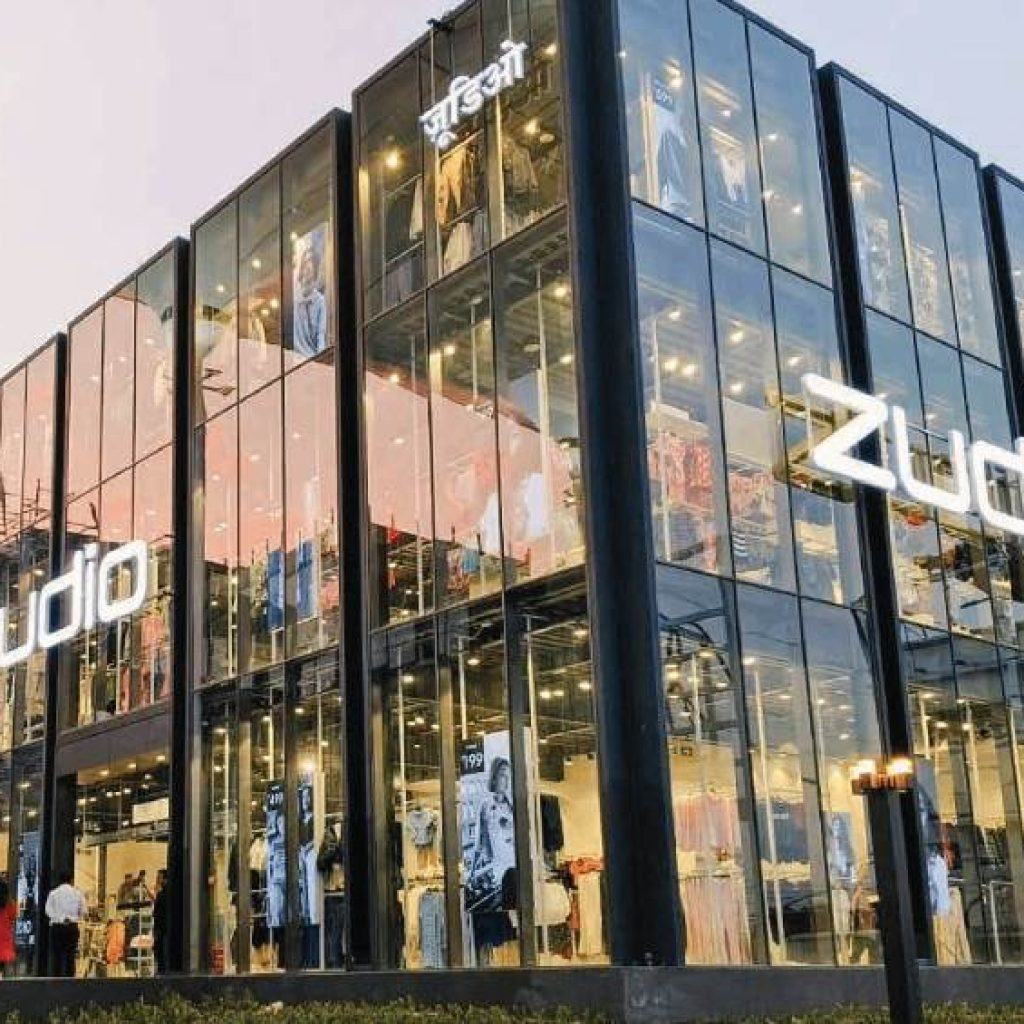
  • Where they shine: Ultra-low price points and accessories. Their ₹199-₹299 accessory wall is a goldmine for Y2K butterfly clips, chunky rings, and sunglasses that finish a look for pennies.
  • The catch: Quality control. You are essentially renting these clothes for a season. Stitched edges can be frayed, and buttons often feel like they’re hanging on by a thread.
  • What we like: The “Experimental” freedom. You can try a wild trend you’re not sure about without feeling guilty because it cost less than a pizza.
  • What we dislike: The “Zudio Uniform.” You will see three other people in that same green crochet top at the mall.

Westside (Nuon/L.O.V.): The “Old Money” Budget

The Vibe: Clean, polished, and curated. This is for the person who wants to look like they have a 5-year plan, even if they’re just headed to a lecture.

  • Where they shine: High-quality fabrics and “Pinterest-perfect” silhouettes. Their Nuon line specifically excels at corset tops and linen-blend trousers that have a weight and drape usually found in boutiques.
  • The catch: Single-item shopping. Because their quality is higher, the prices are too. A single ₹2,000 budget usually only covers one “hero” item.
  • What we like: The fit. Westside designs clothes that actually flatter the body rather than just hanging off it.
  • What we dislike: The limited inventory. Once a good design is sold out, it’s usually gone for good, and they don’t restock as fast as the fast-fashion giants.

Max Fashion: The “Denim Hero”

The Vibe: Reliable and sturdy. It’s the place you go when you need clothes that can survive a busy week and a heavy-duty laundry cycle.

  • Where they shine: Their Denim Lab. For roughly ₹1,100–₹1,400, you get jeans with a thick feel and “real” pocket sizes. They also excel at basic rib-knit layering tees.
  • The catch: Boring aesthetics. Max often plays it too safe. You’ll find great basics, but you won’t find the “edge” or the “viral” pieces here.
  • What we like: Longevity. These are the clothes you’ll still be wearing two years from now.
  • What we dislike: The “Design Noise.” They have a habit of putting random slogans like “Vibes” or “Golden State” on perfectly good shirts, which can make a piece look cheaper than it is.

H&M India: The “Divided” Flex

The Vibe: The “Global Citizen.” It’s for the person who wants the exact oversized hoodie or parachute pant that’s trending in London or Seoul.

  • Where they shine: Modern streetwear cuts. H&M understands proportions—their “baggy” fits look intentional and cool, whereas other brands just look like they’re the wrong size.
  • The catch: The “Basics Markup.” They often charge a premium for the brand name on items (like plain tank tops or leggings) that you could find elsewhere for half the price.
  • What we like: The sustainable edge. Their “Garment Collect” bins allow you to drop off old clothes for a discount coupon, which feels better for the planet.
  • What we dislike: The pricing inconsistency. Sometimes a simple shirt is ₹499, and the one next to it is ₹1,499 with no obvious difference in quality.

The Verdict: Who Wins the ₹2,000 Challenge?

After walking the floors and checking the tags, we have a clear winner for the best use of your money in 2026.

The Winner: Westside (Nuon)

While Zudio wins on sheer volume, Westside takes the crown because of the “Price-per-Wear” logic. In 2026, looking “cheap” is out; looking “expensive on a budget” is the goal. A single well-fitted corset top or pair of linen trousers from Nuon for ₹1,200 will make your entire existing wardrobe look high-end. It’s better to have one “Main Character” item that lasts, than three Zudio tops that lose their shape by next month.

The “Untouched” North East: Why Meghalaya is the 2026 Bucket List Canon Event

0

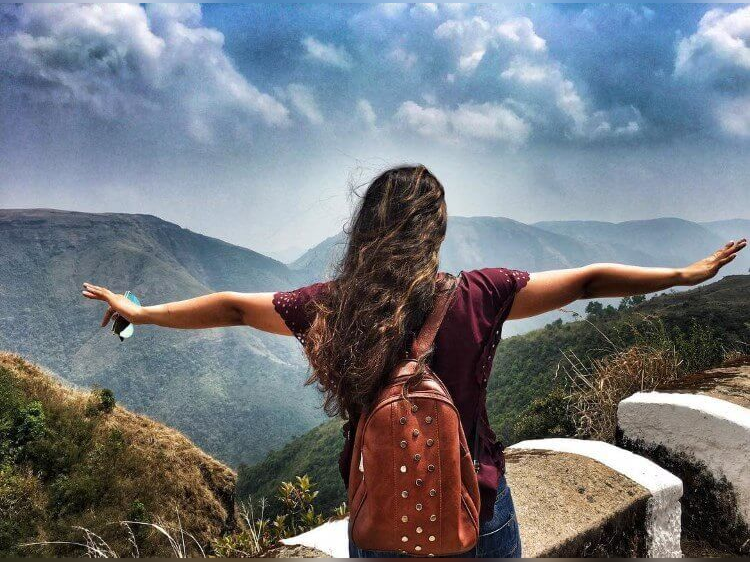
In 2026, we are officially done with over-touristed spots. Bali is crowded, Goa is noisy, and everyone has seen Santorini. If you are looking for the “Unexplored Side Quest,” you need to look East. Specifically, to Meghalaya.

Known as the “Abode of Clouds,” this state isn’t common. It doesn’t have major franchises or five-star resort chains. It has Living Root Bridges that take 100 years to grow, Asia’s cleanest village, and water so clear you can see the shadow of your boat on the riverbed.

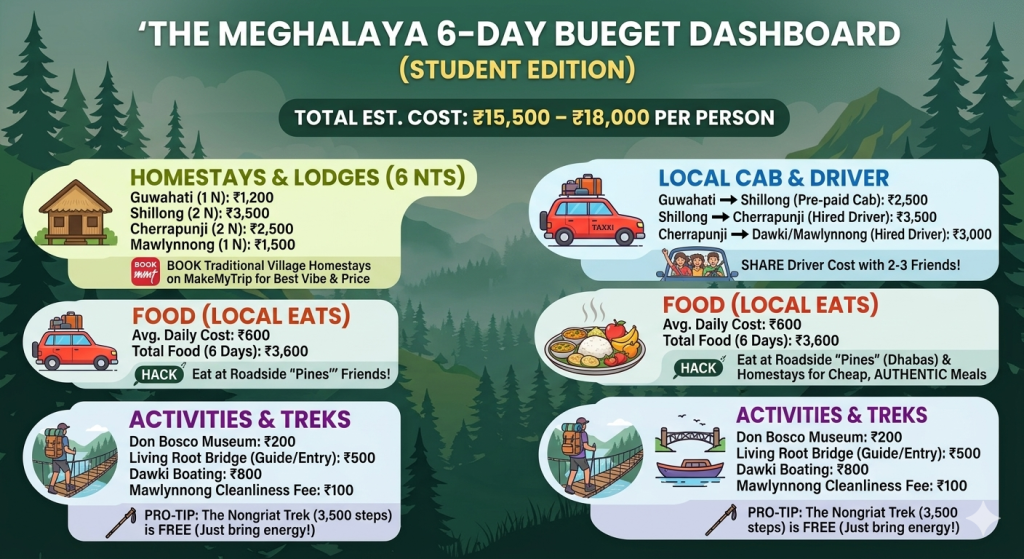
Meghalaya is a place of raw adventure, but it’s also one of the few places in 2026 that you can genuinely cover on a student budget. Here is your customized blueprint to the ultimate unscripted journey.


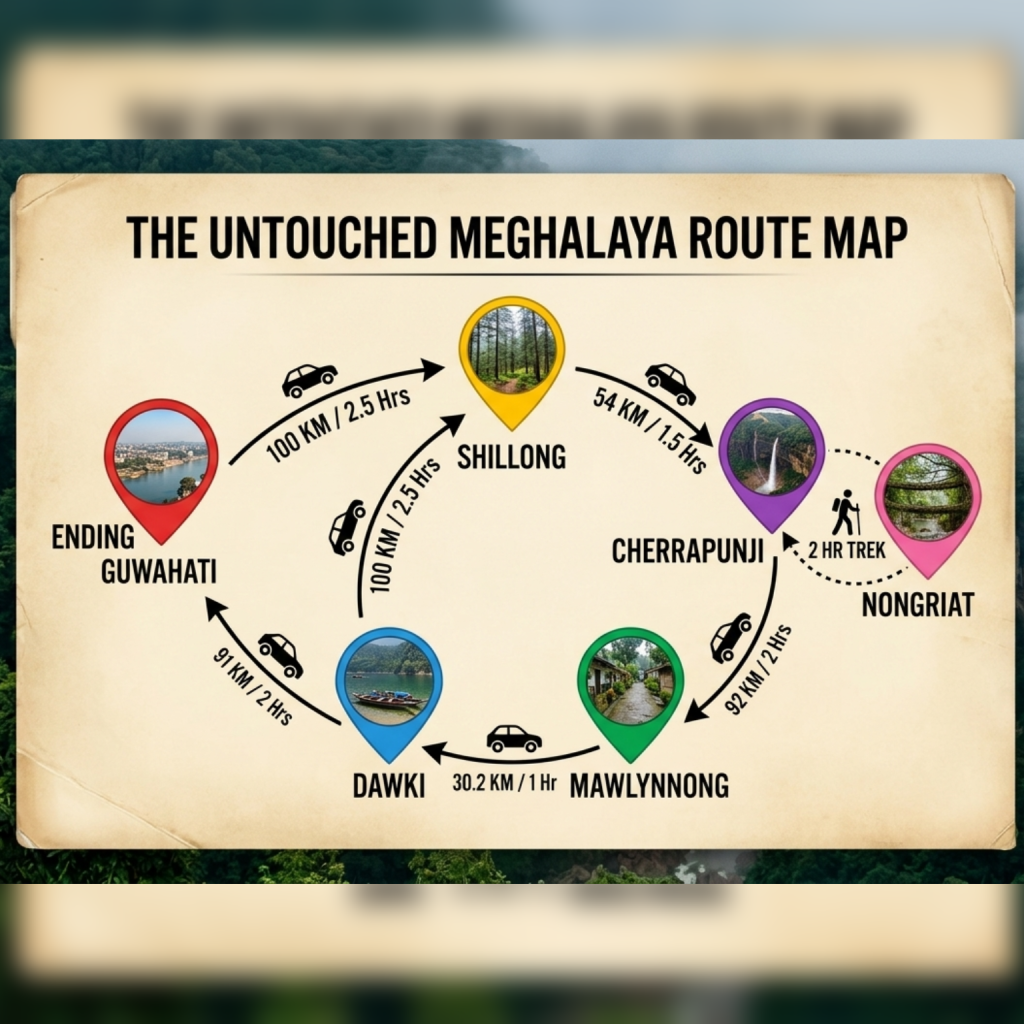
1. The Blueprint: Your Customized Route Map

Our journey starts in Guwahati, Assam, which is the gateway city. From there, we are proposing a circular route that hits all the high-vibe spots without wasting time. Crucial Budget Hack: Do not rent a self-drive car. Hire a local driver from the pre-paid counter in Guwahati; they know the roads, and it’s always cheaper.

2. Where to Stay: Finding the Hidden Gems on MakeMyTrip

Meghalaya isn’t about luxury; it’s about “homestays” and “social lodges.” When searching on MakeMyTrip, do not look for “Hotels.”

  • Shillong: Search for properties in Laitumkhrah. Look for names like The Shillong Loft or other homestays that get high 3-star and 4-star ratings. Average student budget price: ₹1,500 – ₹2,500/night for a clean, secure room.
  • Cherrapunji & Mawlynnong: Do not book “hotels.” These areas are all about Village Homestays. When searching on MakeMyTrip, prioritize properties that mention “Traditional Khasi Cottages” or are hosted by local families. Average student budget price: ₹800 – ₹1,200/night. These places are where you get the real local food and travel tips.

3. The City-by-City Itinerary: What to See & How Long to Stay

Our route map suggests about a 5 to 7-day trip for the optimal budget balance.

Shillong: The “Scotland of the East” (2 Days)

Shillong is the state capital, a cool, pine-scented city. Use your time here to acclimate.

  • Must-See: Ward’s Lake (a quick paddle-boat session), Don Bosco Museum (insane views of North East culture), and the Laitlum Canyons (which look straight out of Ireland).

[Image 2: A sweeping, misty panoramic view of the Laitlum Canyons near Shillong, featuring steep green cliffs and a small winding path.]


Cherrapunji & Nongriat: Land of Roots and Waterfalls (2-3 Days)

This is the heart of Meghalaya. It is the wettest place on Earth, and it’s home to the living architecture.

  • The Living Root Bridges (Nongriat): This is the most essential side quest. Our route map has a dedicated ‘walk’ icon for a reason. You can’t see the Double Decker bridge from a car; you must trek. The 3,500-step trek from Cherrapunji down to Nongriat village is a rite of passage.

[Image 3: A lush, deep green view of the intricate, living architecture of the Double Decker Root Bridge in Nongriat village, spanning a small stream with a young backpacker crossing.]


Mawlynnong & Dawki: Clean Villages and Clear Rivers (1 Day)

Head to the border area for two incredibly unique stops.

  • Mawlynnong: Asia’s Cleanest Village. It’s exactly as advertised. It’s quiet, peaceful, and perfect for a slow walk.
  • Dawki (Umngot River): If the season is right (see the weather chart below), the water of the Umngot River is surreal. It is so crystal clear that boats appear to be floating on air.

4. The Weather Game: Best Time to Pack Your Bag

Meghalaya’s weather dictates the entire trip. If you go during the peak monsoon, the river in Dawki will be a muddy brown mess. If you go in winter, the waterfalls in Cherrapunji are almost dry.

In March/April 2026, we are in the Shoulder Season.

SeasonMonthsAverage Temp (Shillong)StatusWhat happens
ShoulderMar – Apr15°C – 22°CIdeal for BudgetThe water in Dawki is at its clearest; waterfalls are flowing, and the views are misty but stable. Prices are low.
PeakNov – Feb5°C – 18°CMost PopularBright sunshine, cold nights. This is the busiest and most expensive time.
OffMay – Oct18°C – 25°CDo Not GoHeavy Monsoons. Roads are treacherous. Dawki river becomes muddy.

5. What to Pack & Travel Light

The trek to Nongriat (3,500 steps down and back up) requires you to travel ultra-light. Leave your hard luggage at your Shillong homestay. All you need is a 30L-40L backpack.

The “Meghalaya Light” Checklist:

  • Rain Protection: A light, high-quality rain poncho is essential.
  • Trekking Shoes: Not just sneakers; you need shoes with actual grip for the root bridges.
  • Quick-Dry Clothes: One pair of trek pants and two tech tees.
  • Power Bank: The homestays can have electricity fluctuations.

My 11:30 PM “Shortcut” Horror Story: The Solo Traveler’s Safety Playbook

0

“Don’t worry, Mom, I’m with the boys. We’re just going for the JEE exam. What could go wrong?”

Famous last words. In 2026, being 18 feels like finally getting the keys to the world. You’re ready for the “Main Character” moments, the solo side quests, and the aesthetic train rides. But here’s the thing: you can’t be the main character if you’re stuck in a sequel you didn’t sign up for.

Safety isn’t about being “scared”—it’s about logistics. If you get scammed, your budget dies. If you feel unsafe, your curiosity dies. Safety is the “invisible fuel” that keeps you exploring.


The Night I Learned the Hard Way

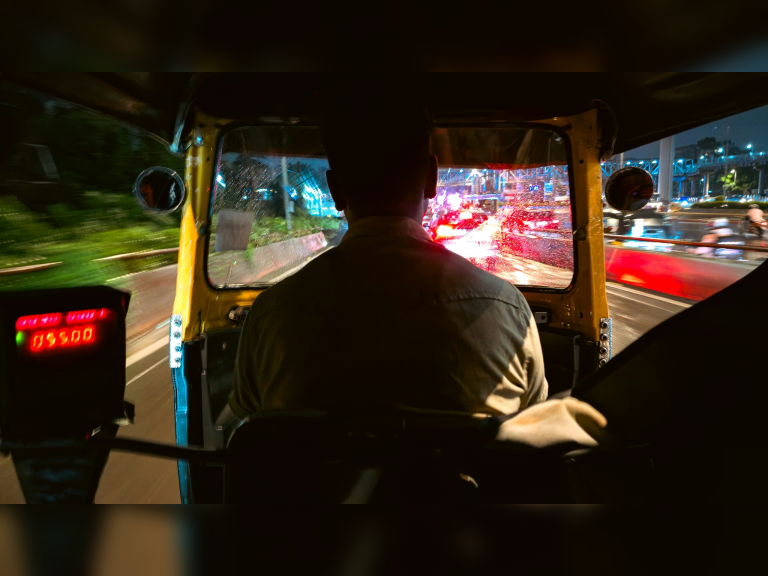
Two months ago, my friends and I were traveling to a tier-2 city for our exams. We landed at the railway station at 11:30 PM. We were exhausted, cranky, and—honestly—a little too arrogant. Instead of waiting for a verified Uber, we took an un-numbered auto because the driver promised a “student discount” and a “special shortcut” to our hostel.

Ten minutes later, the streetlights vanished. We were in an unlit industrial patch. The driver stopped, claiming he had a “flat tire,” and suddenly, two other men appeared from the shadows “to help.”

My heart wasn’t just thumping; it was trying to exit my ribcage. Nothing “bad” happened—they essentially just intimidated us into paying ₹800 to “fix the tire” and get us moving—but that 20 minutes of pure, paralyzed fear changed me. I realized: even a group of guys isn’t a substitute for being street-smart.


How to Solo in India Without the Drama

According to recent data from Skyscanner’s 2026 Trends, solo travel bookings have jumped 83% this year. Everyone is doing it, but not everyone is doing it right. Here are my top rules for your first solo run:

1. The “Back-Seat” Rule (Verified Rides Only) Never, under any circumstances, take an unverified ride. Use apps like Uber or Ola.

  • The Hack: Sit in the rear passenger-side seat. It gives you a clear view of the driver and an exit away from traffic. Before the car moves, check the child lock. If you can’t open the door from the inside, get out immediately.

2. The “Fake Phone Call” Tactic If the vibe feels off, pull out your phone.

“Hey Dad, yeah, I’m in the cab. Plate number is DL 1C XX 0000. Shared my live location. See you in 10.” Even if you’re on a “Fake Call” app, saying this loudly tells the driver you are being tracked.

3. Stay: The “Vibe-Check” Filter Don’t just pick the cheapest room. Use Hostelworld or Agoda and look for “Female-only dorms” or “24/7 Security” in the reviews.

  • Pro-Tip: If a hostel is down a thin, unlit alley, skip it—even if the rooftop cafe looks “aesthetic.”

4. Digital Armor In 2026, your phone is your bodyguard. Download 112 India (the official SOS app) and keep WhatsApp Live Location running with a “Home Anchor”—one person who knows your exact itinerary at all times.


The Bottom Line

Solo travel at 18 is your rite of passage. It’s the first time you’ll truly trust your own gut. My advice? Trust the gut, but verify with the app. Don’t let one “shortcut” ruin your 2026 travel bucket list.

The Gig-Tripper’s Blueprint: How to Hack Singapore for a 3-Day Concert Run

0

Every student in 2026 is aware of gig-tripping. For the unversed, it is the act of traveling specifically to another city—or in this case, another country—to catch a live concert.

But this isn’t just a niche trend. According to Airbnb’s 2026 Travel Report, a staggering 62% of India’s Gen Z now plan their entire travel calendar around music festivals and concerts. In fact, 76% of young travelers admit they’ve visited a city for the first time only because their favorite artist was performing there.

If you’ve secured that golden ticket to the Singapore Indoor Stadium, here is how you bundle it into a 3-day budget itinerary that won’t drain your savings.


1. Stay: Finding the “Fan-Base”

Singapore hotels can cost ₹15,000+ per night, which is a hard “no” for us. You want a social hostel where other fans are staying so you can split Grab rides and trade photo cards.

Where to book: Don’t just trust random blogs. Use Hostelworld or Agoda and filter specifically for “Chinatown” or “Little India.” These areas have the best MRT connectivity.

  • BEAT. 1932 (Chinatown): Known for its massive social area. Expect to see people prepping fan banners in the lobby. (Approx. ₹2,800/night).
  • The Bohemian (Chinatown): A cult favorite for solo travelers. It’s tight, but the “game room” vibe makes it easy to find a concert buddy.
  • Dream Lodge (Lavender): If you actually want to sleep after the post-concert adrenaline, this “capsule” style hostel is quieter and very clean.

2. Food: The Hawker Centre Strategy

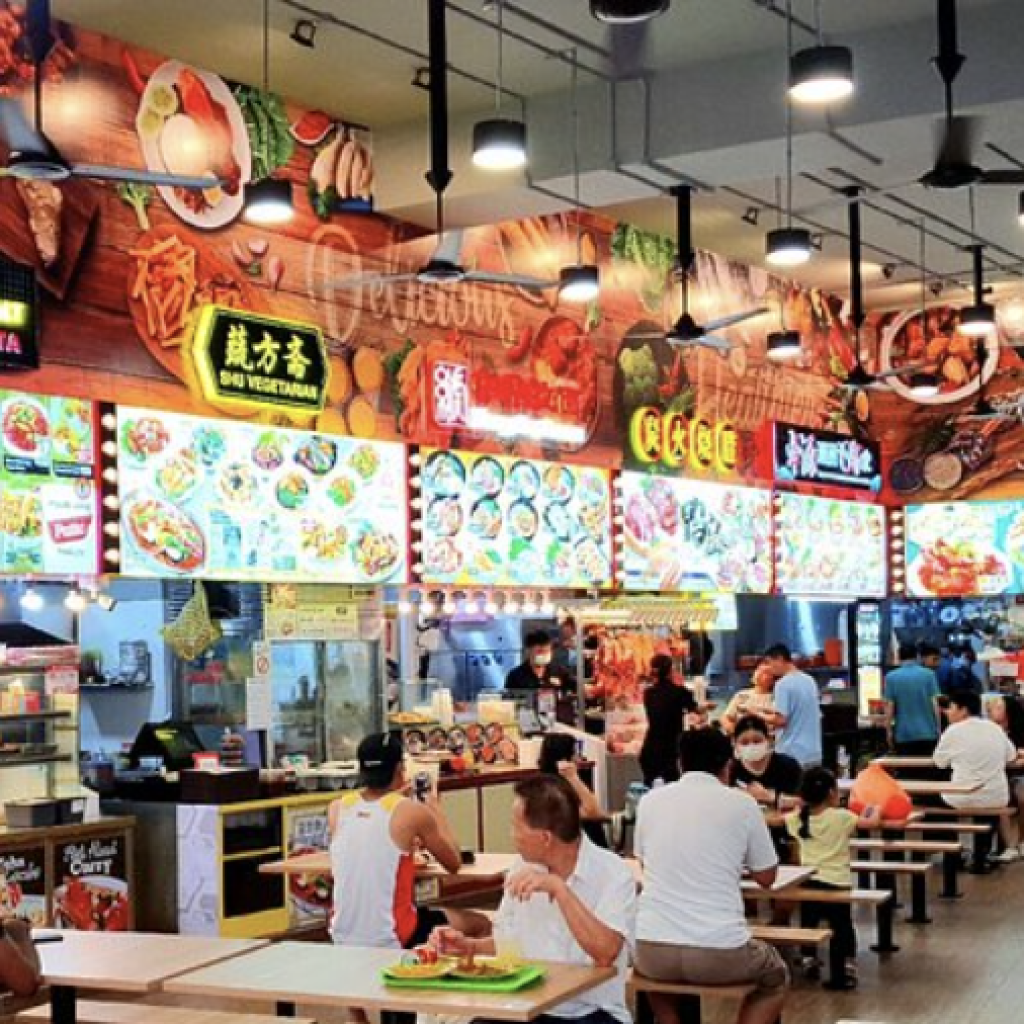
Eating at a restaurant in Marina Bay will cost you S$30 (₹1,800). Eating at a Hawker Centre will cost you S$6 (₹380).

What to order & Where:

  • Old Airport Road Food Centre: Located near the stadium. Go for the Lor Mee (thick starchy noodles) at Xin Mei Xiang or the Chicken Cutlet with garlic sauce at Western Barbecue. It’s heavy, filling, and under S$8.
  • Tekka Centre (Little India): Perfect for a pre-concert “carb-load.” Get the Chicken Biryani at Allauddin’s or a Double Egg Onion Prata (S$4) at Prata Saga.
  • Maxwell Food Centre: If you want the famous Tian Tian Hainanese Chicken Rice, go here. It’s a Michelin-level meal for the price of a Starbucks coffee.

3. Transport: The “Merlion Charm” Hack

Forget taxis. Singapore’s MRT (train) system is world-class, but you shouldn’t just “pay as you go” if you’re hitting multiple spots.

The Move: Buy the Singapore Tourist Pass (STP).

  • The 3-Day Pass: Costs S$34 (approx. ₹2,100). It gives you unlimited travel on all basic buses and trains.
  • The “Merlion Charm” Edition: In 2026, you can get a collectible Merlion keychain that is your pass. You just tap the charm at the gate. It’s a S$34 investment that doubles as a souvenir.
  • Note: It doesn’t cover the Sentosa Express or “Express” buses, but for concert-hopping, it’s all you need.

4. The 3-Day “Gig-Trip” Itinerary

Day 1: The Cultural “Warm-Up”

  • Morning: Check-in and head to Haji Lane. Use the colorful murals for your “Concert OOTD” photoshoot.
  • Afternoon: Merch Run. Head to the Kallang Wave Mall (attached to the stadium). Even if you don’t have merch, the fan-organized “Cupsleeve” events at nearby cafes are a must.
  • Evening: Free Light Show at Gardens by the Bay (7:45 PM). It’s free, trippy, and perfect for TikTok.

Day 2: CONCERT DAY

  • 12:00 PM: Heavy lunch at Old Airport Road (so you don’t get hungry mid-set).
  • 2:00 PM: Join the queue/Fan zones. Drink plenty of water (tap water is free and safe in SG!).
  • 11:00 PM: Post-concert “Supper.” Most Hawker centres near the stadium stay open late for the post-gig crowd.

Day 3: The Recovery

  • Morning: Chill at the Jewel Changi Airport. The Rain Vortex is free and the AC is incredible.
  • Afternoon: Gift shopping at Mustafa Centre (Little India). It’s 24/7 and has the cheapest snacks/souvenirs in the country.

Inktrove × Volunteens: One Vision, Two Platforms

Inktrove is not just a standalone initiative—it is an extension of Volunteens, built on the same foundation of youth leadership, creativity, and social impact.

Volunteens, a student-led organization, has always focused on driving meaningful change through education and community-driven projects. As the organization grew, so did the need for a platform that could combine creativity with purpose. This is where Inktrove comes in.

Inktrove serves as the creative and entrepreneurial arm of Volunteens. While Volunteens focuses on on-ground impact—such as book drives, educational support, and community initiatives—Inktrove transforms creativity into a tool for change. Through curated products, student-led ideas, and innovative campaigns, Inktrove creates opportunities for young people to contribute in a tangible way.

What makes this partnership truly powerful is its purpose-driven model. Every rupee generated through Inktrove goes directly towards supporting Volunteens’ initiatives. This means that each purchase, contribution, or engagement with Inktrove directly fuels projects that aim to improve access to education and uplift underprivileged communities.

In essence, Inktrove is more than just a platform—it is a bridge between creativity and impact. It empowers young individuals to express, create, and contribute, while ensuring that their efforts translate into real-world change.

Together, Inktrove and Volunteens represent a unified ecosystem: one that is youth-led, socially conscious, and deeply committed to making a difference.

Visit Volunteens at: Volunteens.co.in

The Harvey Specter Mindset: Why So Many Teens Feel Like They Have to Win at Everything

0

Somewhere along the way, a lot of teenagers started thinking like corporate lawyers.

Not literally, of course.

But if you’ve ever watched Suits, you’ll recognize the energy immediately.

It’s the confidence.
The competitiveness.
The belief that losing is simply not an option.

In the show, Harvey Specter walks into every situation with the same mindset: win first, figure out the rest later.

And strangely enough, that mindset has quietly seeped into teenage culture.


The Rise of the “Exceptional Teen”

Ten years ago, being a good student meant doing well in school.

Now it often feels like the bar has moved.

Students aren’t just studying anymore. They’re:

  • building resumes
  • doing internships
  • starting organizations
  • competing in olympiads
  • preparing for international universities

Somewhere between LinkedIn posts and college application advice videos, the idea of being a “normal good student” started to feel… insufficient.

Instead, many teenagers feel pressure to become something else entirely.

Exceptional.


When Ambition Becomes Identity

There’s nothing wrong with ambition.

In fact, ambition can be a powerful thing.

But the modern version of ambition sometimes starts to look like a competition where everyone is trying to prove they are the most impressive person in the room.

More achievements.
More activities.
More proof that you’re doing something “important.”

The mindset slowly shifts from learning things to winning at things.

Which starts to sound suspiciously like something Harvey Specter might say.


The Harvey Specter Fantasy

Characters like Harvey are appealing for a reason.

They represent a version of success that feels effortless.

Quick thinking.
Total confidence.
Always one step ahead.

For teenagers trying to navigate academics, competition, and future plans, that image can feel strangely comforting.

It suggests that if you just become smart enough, strategic enough, confident enough, everything will eventually fall into place.

But real life, unfortunately, is not a television script.


The Part We Don’t Talk About

The Harvey Specter mindset has a hidden downside.

When everything becomes a competition, it becomes harder to admit things like:

  • confusion
  • uncertainty
  • failure
  • not knowing what you want yet

But the truth is that most teenagers — even the ambitious ones — are still figuring things out.

And that’s normal.

Even the most successful adults rarely had everything perfectly planned at 16.


The Healthier Version of Ambition

The real lesson from Suits might actually be something different.

Yes, Harvey Specter is brilliant and confident.

But the show also reveals something else over time.

Even the most impressive people need:

  • mentors
  • mistakes
  • time to grow

Confidence is powerful.

But curiosity, patience, and resilience are usually what actually build a life.


The Bottom Line

It’s easy to believe that teenage success requires the Harvey Specter mindset — always winning, always proving something.

But life is rarely a courtroom.

Sometimes the most important thing you can do isn’t to win every situation.

Sometimes it’s simply to learn from it and keep going.

And unlike television, real success rarely happens in a single dramatic moment.

It’s usually built slowly, quietly, and over time.